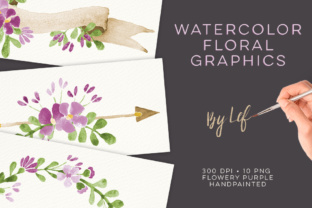
Watercolour Purple Florals: A Handpainted Clipart Collection
There’s something undeniably romantic and sophisticated about a handpainted watercolour texture. It carries a softness, an organic quality, and a level of detail that digital brushes often struggle to replicate. When you combine that artisanal feel with a rich, versatile colour palette like purple, you get a design asset that feels both timeless and contemporary. This collection is a curated set of high-resolution elements designed for creators who value authenticity and elegance in their visual projects.
The Organic Charm of Handpainted Elements
Digital design is often clean, sharp, and perfect. While that has its place, there's a growing hunger for elements that feel human-made. This is where the handpainted watercolour aspect becomes a superpower. Each brushstroke, each subtle colour variation, and each soft edge tells a story of craftsmanship. This isn't just a digital stamp; it's a piece of art scanned at a high resolution to preserve every delicate detail.
The purple palette itself is a study in versatility. It can evoke the soft lavender of a spring garden, the deep plum of a vintage wine, or the vibrant violet of a modern brand. This particular set balances these tones, offering a cohesive yet dynamic range that can be adapted to countless themes and seasons. For designers, this means you're not just getting graphics; you're getting a mood, a texture, and a foundation for visual storytelling.
Practical Applications for Modern Creators
So, you have these beautiful floral elements. What do you actually do with them? The utility of a well-crafted clipart set like this extends far beyond a single use case. Think of it as a versatile toolkit in your design arsenal.
For brand identity, these florals can become the cornerstone of a visual system. A wedding planner could use them to create a signature look across all client materials. A boutique bakery might weave them into packaging for artisanal goods, instantly communicating a handmade, premium quality. They can soften the edges of a corporate brand or add a layer of natural elegance to a wellness blog.
In digital spaces, the applications are equally rich. Create stunning social media graphics that stop the scroll—think Instagram stories with layered floral borders or Pinterest pins where the florals frame a beautiful quote. For web design, they can be used as subtle background accents, decorative dividers, or featured illustrations on an "About" page to convey personality and warmth.
The world of print and physical products is where the 300 DPI resolution truly shines. Design elegant wedding invitations, save-the-dates, or thank-you cards that feel personal and luxurious. They are perfect for editorial layouts in magazines or lookbooks, adding a touch of artistry to page margins or chapter headings. Small business owners can use them for packaging design, sticker sheets, or even as motifs on merchandise like tote bags or stationery.
Integrating Florals into a Cohesive Design System
Using decorative elements effectively is about more than just placement; it's about integration. The goal is to enhance your message, not overwhelm it. Here’s how to think strategically about incorporating these graphics.
- Establish Visual Hierarchy: Use larger floral arrangements as focal points on invitations or posters. Use smaller, scattered elements as subtle accents on business cards or website sidebars to add interest without distraction.
- Colour Coordination: Pull the softer lilac, muted mauve, or deep purple tones from the florals to inform your secondary colour palette. This creates a seamless and intentional look across all your materials.
- Typography Pairing: The organic, flowing nature of watercolour pairs beautifully with certain typefaces. A clean, modern sans serif font can provide a crisp, readable counterpoint. Alternatively, a delicate script font can lean into the romantic, handwritten feel. Always test pairings to ensure readability, especially for body text.
- Balance is Key: Let the florals breathe. Give them space around the edges of your layout. Pair them with ample white space or solid colour blocks to prevent a cluttered look. This balance maintains professionalism and allows each element to be appreciated.
From Digital File to Finished Project
You’ve downloaded the files. Now what? A smooth workflow from asset to final product is crucial. Since these are provided as individual PNG files with transparent backgrounds, they offer tremendous flexibility. You can layer them over photos, place them on coloured backgrounds, or combine them to create your own unique arrangements.
Start by reviewing all ten elements. Notice the variety—perhaps there are full bouquets, single stems, loose petals, and that charming 3-inch ampersand. Think about how these pieces can work together. The ampersand, for instance, is a perfect hero element for a wedding monogram or a logo for a partnership-focused business.
Before finalizing any project, especially for print, always do a test print. Check that the colours translate as expected and that the fine details remain crisp. For digital use, ensure your file dimensions are appropriate for the platform to maintain quality without unnecessarily large file sizes. Remember, the commercial license typically allows for use in end products for sale, which is a critical consideration for entrepreneurs and designers creating client work or products. Always double-check the specific license terms that accompany your purchase to ensure compliance.
In a marketplace saturated with overly processed digital art, a set of handpainted watercolour florals stands out. It offers a bridge between the precision of digital design and the soul of traditional artistry. Whether you're crafting a brand story, designing a one-of-a-kind invitation, or building a visual identity that feels both professional and personal, these elements provide a foundation of beauty and versatility. They empower you to create work that doesn't just communicate, but resonates.